

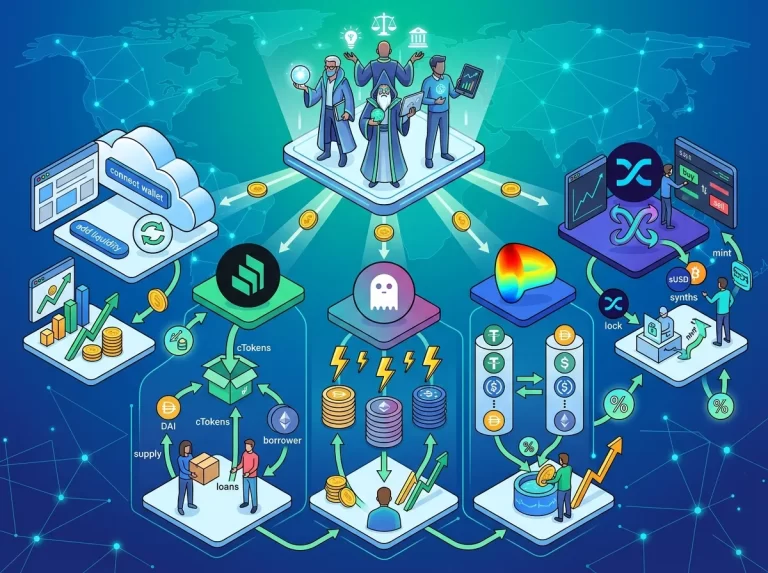
Stock markets have gone through several volatile cycles, inflation has put pressure on households and businesses, and global economic uncertainty is still very much here. Surely, 2026 is already shaping up as another year when people are looking for alternatives to traditional finance. This is not as sudden as the 2020 COVID-19 shock, but the conclusion is similar: the existing financial system still has weak spots, and users keep looking for more flexible ways to store, move and grow capital.
24.10.2025


DeFi (decentralized finance) is open to all users and is usually based on decentralized apps, known as dApps. The core of the system is a smart contract that automates financial transactions and makes them faster and more transparent.
Briefly, DeFi is like a Tesla car in the world of gasoline vehicles. Based on the new uncontrolled financial system, it doesn’t depend on old-world economics, just as electric cars don’t depend on gas or the price of oil.
However, the DeFi industry recently became very dependent on another kind of Gas. If you still have no clue what’s going on, here’s a small literacy class.
Let’s review the ten DeFi concepts you need to know before stepping into the world of decentralized economics.
- Gas
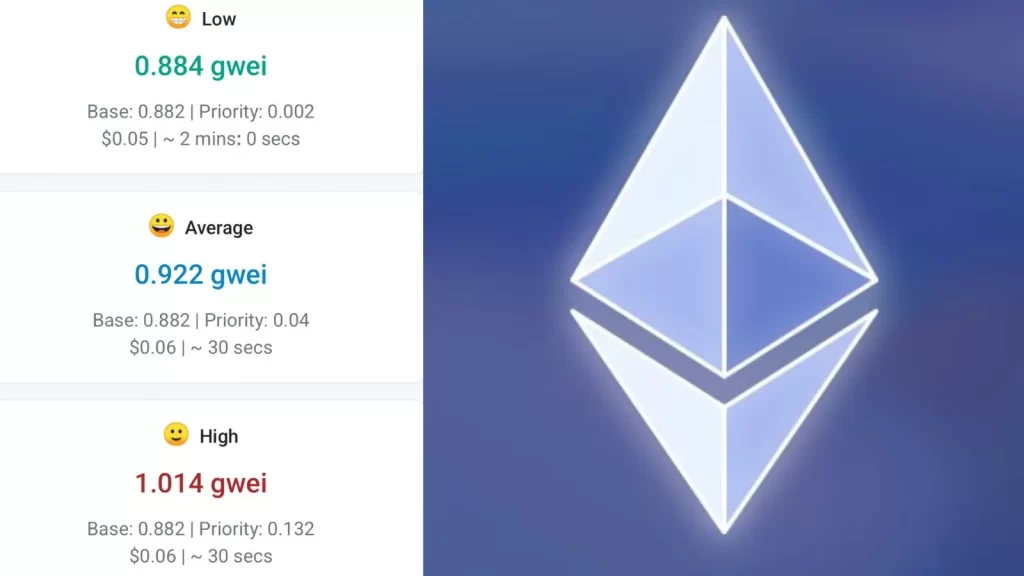
Gas (Ethereum) is a fee or pricing value that is required to successfully process a transaction on all Ethereum-based platforms.
It is priced in sub-units of the cryptocurrency Ether, known as Gwei.
Due to the enormously high gas prices, a lot of major platforms started to find a way around the problem.
- Smart contracts
A smart contract is a computer program that contains the terms of the agreement between buyer and seller (or tokenholder and protocol) and is directly written into the lines of code.
This code controls the transparency and speed of all transactions within the blockchain.
It is the core concept of decentralization as once a smart contract is deployed, the DeFi dApp doesn’t need any more human intervention.
A smart contract is known to be a sensitive subject among developers because an unaudited smart contract can become a huge pain for all the team and turn your project into a scam pumpkin.
- Liquidity pool
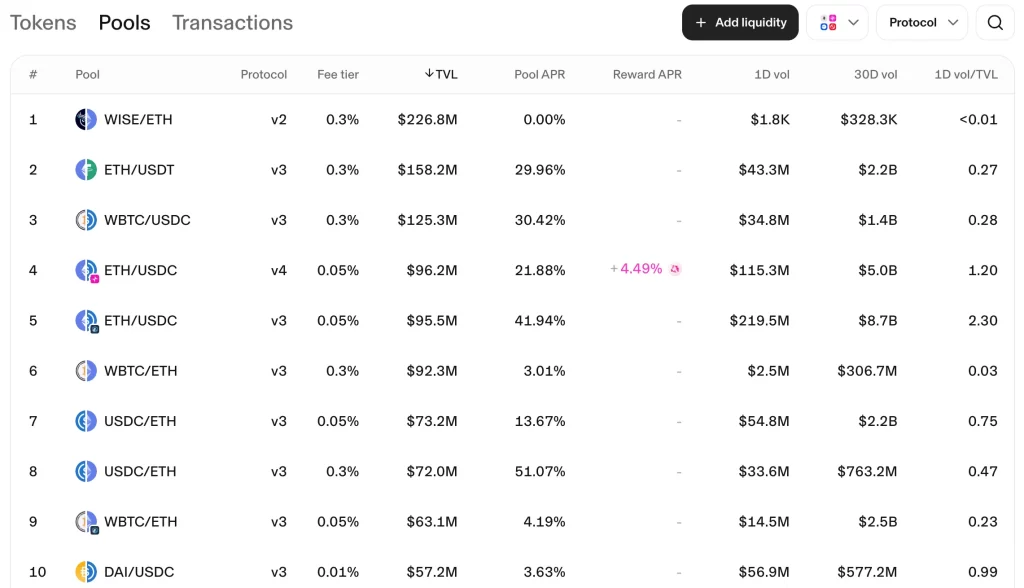
A liquidity pool is a pool of tokens that is located in a smart contract. They are used by many DEXes to provide liquidity.
Briefly put, 1 pool contains a pair of tokens; each pool creates a new market for this pair of tokens.
So the first liquidity provider sets the initial price of the assets in the given pool. The first provider has to support the price of the tokens otherwise they will lose the capital.
This scheme is the same for all liquidity providers entering the pool later.
- APY
The annual percentage yield (APY) is the real rate that you earn on your savings deposit.
APY shows the growth of your investment as a percentage. This formula takes into account the frequency with which the interest is applied. The higher the APY is, the cooler the liquidity pool is you are entering.
- Liquidity mining

Liquidity mining is the process of providing liquidity for a specified token by a pool of miners.
Any DEX is happy to reward its holders. The reward payments are usually mapped to the objectively observed actions of the liquidity sellers.
So users who deposit tokens will earn both interest and a share of the governance token.
For all the holders willing to dig deeper, there is a liquidity mining whitepaper containing a comprehensive explanation of what’s happening in this sphere.
Be careful, the volume is akin to The Lord Of The Rings.
- Yield farming
To cut a long story short, this is the process of making more crypto assets using your crypto assets. You put them to work to generate the most returns possible.
An experienced yield farmer moves their assets around, searching for the highest APY rates. Sometimes holders move to riskier pools to earn more. And they are aware of all the dangers that brings.
It is of great importance to know the rules of the game. An experienced yield farmer always takes into account the following data:
- The commission for entering the protocol
- The commission for exiting the protocol
- Vulnerabilities in the smart contract
- Dumping of the protocol tokens
- The commission for further staking the protocol’s tokens
- Wallets
This may seem quite simple. However, there are different kinds of wallets people should know about before entering the big DeFi game.
- Non-custodial wallets
Here you have all the power. You control all your assets single-handedly.
- Сustodial wallets
With these wallets, a third party intervenes and stores your private keys for you.
- Hardware wallets
These are physical devices that store your private keys.
- Web3 wallets
These self-custody wallets are very handy and look like browser extensions. One of the most popular ones is MetaMask, which is a browser plugin that serves as an Ethereum wallet.
- Smart-contract wallets
Such wallets are simply a program on the blockchain with no private keys available. These are InstaDapp’s DeFi Smart Accounts, Argent, Gnosis Safe, etc.
- Stablecoins
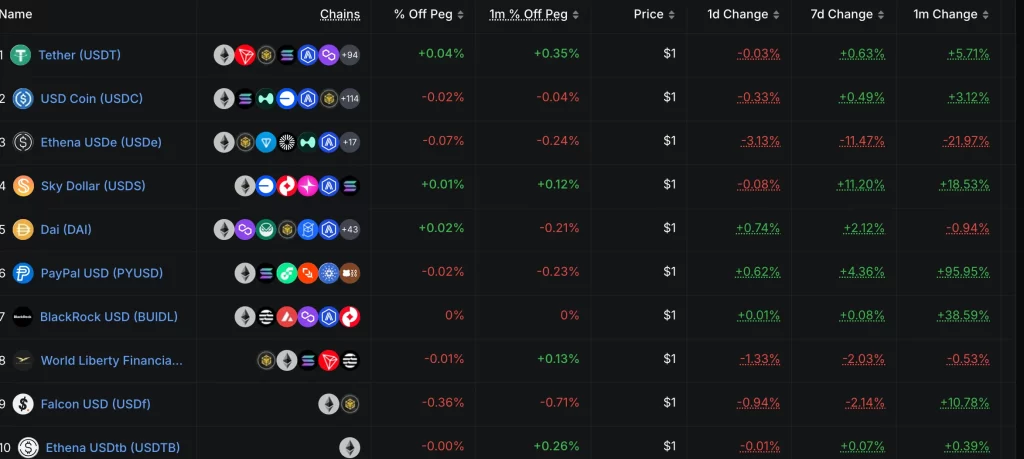
A stablecoin is a class of cryptocurrencies that offers price stability.
Holders can save their money in stablecoins to make sure their investments won’t fall in price.
In other words, stablecoins bridge the gap between fiat currencies and cryptocurrencies.
There are two main types of stablecoins.
- Crypto-Collateralized Stablecoins
These are backed by other cryptocurrencies.
Non-Collateralized (algorithmic) Stablecoins
These don’t use any reserve. However, they use a certain mechanism that helps them to maintain a stable price.
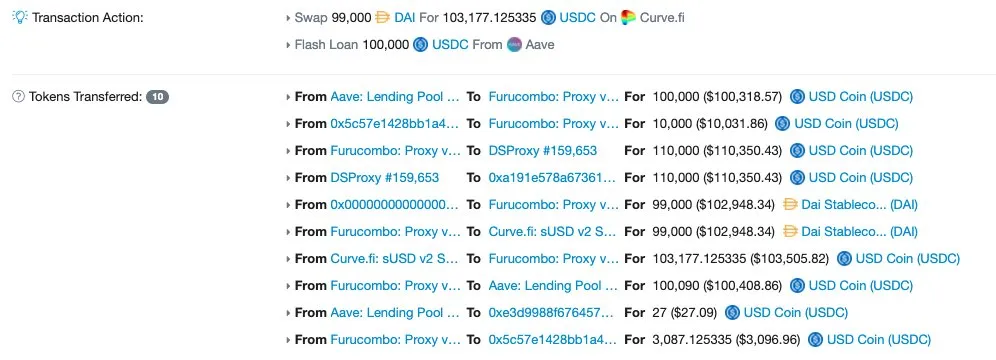
- Flash loans
Yes, you’re right, there’s something about speed going on.
A flash loan is only valid within one block transaction. You can borrow it from a publicly funded smart contract pool. However, it must be repaid before the end of the transaction.
So if you have nerves of steel, it can bring you some money.
- On/Off-Ramps for DeFi: Buycoin.online
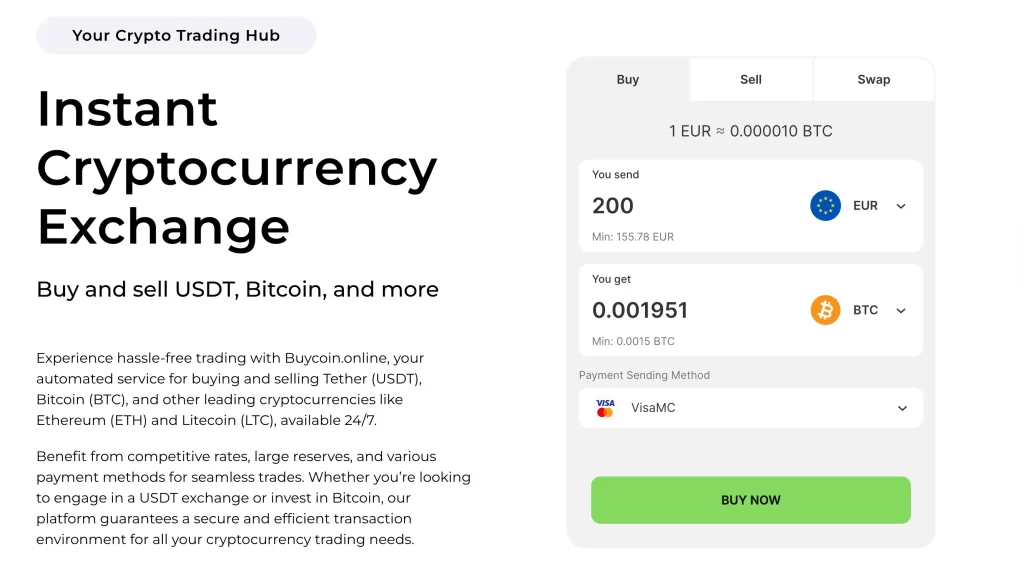
Getting into DeFi starts with acquiring and withdrawing crypto efficiently. Buycoin.online is a fast exchange/exchanger that helps users move between fiat and crypto and across popular pairs — a practical on/off-ramp before you dive into dApps. Key points:
Low fees + loyalty cashback that scales with turnover, plus a two-level referral program (5%/1%).
Many exchange routes & bank withdrawal options across popular assets and payment rails.
Simple instant exchange flow (including Perfect Money and other routes when relevant).
Note: on/off-ramps are typically centralized services, not DeFi protocols — use them to fund your Web3 wallet, then interact with DeFi. Always DYOR on fees, limits, and compliance in your jurisdiction.
Conclusion
As you see, there is much going on in the DeFi world. However, it’s not enough just to learn the main concepts if you want to get in the game. It’s a constant process of studying and practicing to get great results.