

Switzerland is one of the friendliest places in the world to hold assets, and itsreputation matches reality. Private investors here sell BTC at a profit and, in most cases, keep their francs of the gain. It doesn’t mean cryptocurrency lives outside the tax system. Wealth tax, income tax and a set of cantonal rules all […]
04.04.2024

In today’s rapidly shifting financial world, cryptocurrency isn’t just a buzzword — it’s become a central, and sometimes controversial, pillar of the global market. At the core of this digital revolution is a powerful group of players known as “whales.”
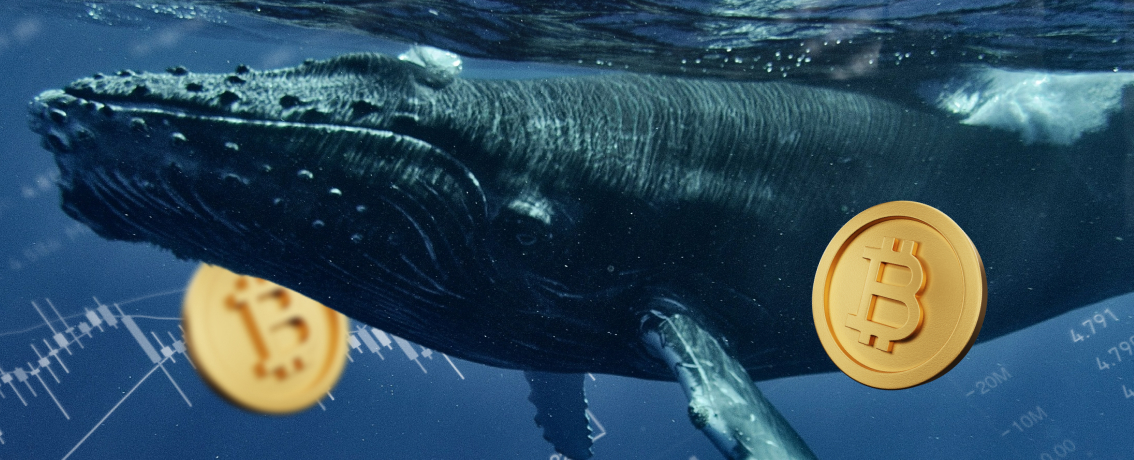
In crypto-speak, whales are individuals or institutions with enough digital assets—especially Bitcoin — to seriously move the market. These major stakeholders can initiate large trades that often send shockwaves across the board, shaking up prices and fueling volatility with just a few keystrokes.
Understanding who these whales are and what they do isn’t just interesting — it’s essential. Their influence over market movements can’t be ignored. For everyday investors and seasoned traders alike, being able to spot whale behavior could mean the difference between profit and loss.
Who are the whales?
So, who exactly are these so-called crypto giants? The term “whale” might sound whimsical, but it refers to a very real and diverse set of powerful entities, each playing a unique role in how the crypto landscape evolves.
Institutional investors: This group includes banks, hedge funds, and even publicly traded companies. When they buy or sell large volumes of crypto, it doesn’t just make a den t— it can reshape the entire market trend.
Miners: These are the people (or more often, companies) validating blockchain transactions. Some of them hold onto their coins, while others sell off their earnings in big chunks, which can instantly flood or drain the market.
Large-Scale holders: These might be early Bitcoin adopters, wealthy individuals, or crypto-native funds sitting on massive reserves. A single decision from them — say, selling off a chunk of BTC — can rattle confidence across the market.
Algorithmic traders and bots: Not all whales are human. Many high-volume trades today are driven by sophisticated algorithms that react in milliseconds to shifts in price, news, or volume. While these bots may not “intend” to manipulate, their sheer speed and scale make them market movers all the same.
Each of these players can stir the waters in different ways. Some bring stability. Others cause chaos. But all of them have the power to shape what happens next in crypto.
Spotting the whales: why it matters
For those trying to navigate the unpredictable world of digital assets, tracking whale activity isn’t just useful — it’s strategic. Here’s how you can start spotting signs of their presence:
1. Watch the volume
One of the clearest signs a whale is active is a sudden spike in trading volume. Tools like volume histograms and depth charts can help identify unusually large transactions. If you’re seeing a surge in movement without any obvious news — there’s a good chance a whale is making waves.
2. Follow the price swings
Massive, abrupt changes in price — especially when unaccompanied by broader market sentiment — can be a clue. A whale may be entering (or exiting) a position. Use technical analysis tools like candlestick patterns or RSI to get a better read on what might be happening behind the scenes.
3. Stay on top of the news
Whales often react to (or preemptively act on) major events. Regulatory updates, partnerships, and hacks can trigger big movements. Sometimes, whales even create price action around news, buying low on fear or selling high on hype.
4. Use specialized tools
Platforms like Whale Alert, Glassnode, and Santiment offer data on wallet movements, exchange inflows/outflows, and other telltale signs. Cross-referencing this data with chart activity can help confirm your suspicions.
But it’s not that simple
Tracking whales sounds straightforward in theory — but in practice, it’s a complex game.
Limited data access: Wallets are anonymous by design. While you can see activity, identifying who is behind a transaction is rarely possible without deep forensic tools.
Fog of volatility: The crypto market is naturally volatile, and not every price swing means whale involvement. Distinguishing between panic-driven retail activity and calculated whale moves is tricky.
Interpretation Is murky: Even when you do spot a whale-sized trade, knowing what it means is another story. Are they cashing out? Hedging? Testing the market? The same action could imply bullish or bearish intent depending on context.
Sophisticated camouflage: Some whales split their trades across wallets or exchanges to avoid detection — making it even harder to track their footprints accurately.
Why it all matters
In a market where single players can shift billions in minutes, understanding whale behavior is no longer optional for serious investors. While perfect foresight is impossible, awareness of these dynamics can help you:
- Time your trades better
- Avoid traps set by larger players
- Understand where the market might be heading next
Ultimately, staying informed, continuously learning, and using the right tools is your best defense — and your smartest edge — in the high-stakes world of crypto trading.
Final Thought
The crypto world isn’t just a sea of decentralization and freedom — it’s also an arena of power plays. And in that arena, whales are the heavyweights. Learn their patterns, stay nimble, and you’ll stand a better chance of swimming with them rather than getting swallowed whole.powers investors and traders to make enlightened decisions safeguarding their interests. A perpetual commitment to learning and market analysis emerges as a linchpin in realizing financial objectives within the cryptocurrency arena.