
24 июня 2026 года биткоин продемонстрировал динамику, которой не наблюдалось с зимы 2022 года. Его цена опустилась ниже нижней полосы «радужного графика» биткоина — модели оценки с цветными полосами, которая с 2014 года отслеживает длительные циклы BTC. На момент пробоя цена составляла около 62 500 долларов. Уже через несколько дней он торговался по цене 58 […]
26.07.2026


Switzerland is one of the friendliest places in the world to hold assets, and itsreputation matches reality. Private investors here sell BTC at a profit and, in most cases, keep their francs of the gain. It doesn’t mean cryptocurrency lives outside the tax system. Wealth tax, income tax and a set of cantonal rules all reach into your wallet, and the Swiss Federal Tax Administration expects your coins on the annual tax return every year. We’ve already covered two other European regimes in our crypto taxes in Greece guide and our Ireland tax guide, so cross-border holders can compare all three.
Do you have to pay taxes on crypto in Switzerland?
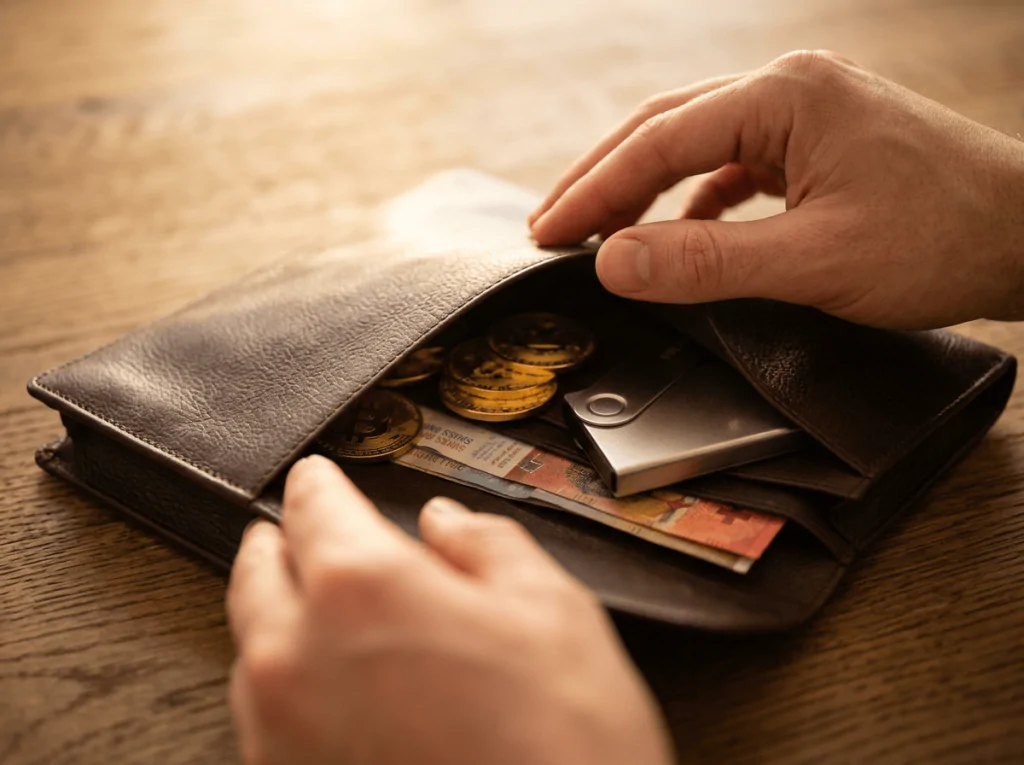
Probably less than you fear. The Swiss tax system treats crypto assets as private wealth, comparable to cash, shares or precious metals. That classification produces an unusual result. Capital gains on private wealth are tax free for entities, while holdings themselves are subject to wealth tax. Also anything you earn in crypto assets counts as taxable income. So the honest answer is “you don’t have tompay taxes not on your trading profits”, if you qualify as a private investor, but yes on your holdings and yes on your crypto income.
Cryptocurrency: legal issues in Switzerland

Cryptocurrencies aren’t legal tender, but buying, selling, holding and spending them is fully lawful and well regulated. FINMA supervises the financial side, the canton of Zug created the famous Crypto Valley, and several cantons even accept tax payments in Bitcoin. Zug takes BTC and ETH for tax bills up to 1.5 million francs, and Lugano runs a similar scheme. Blockchain technology has explicit legal recognition through the DLT Act, which makes Switzerland one of the few countries where tokenised securities have a clear legal home.
Crypto tax legislation & law in Switzerland
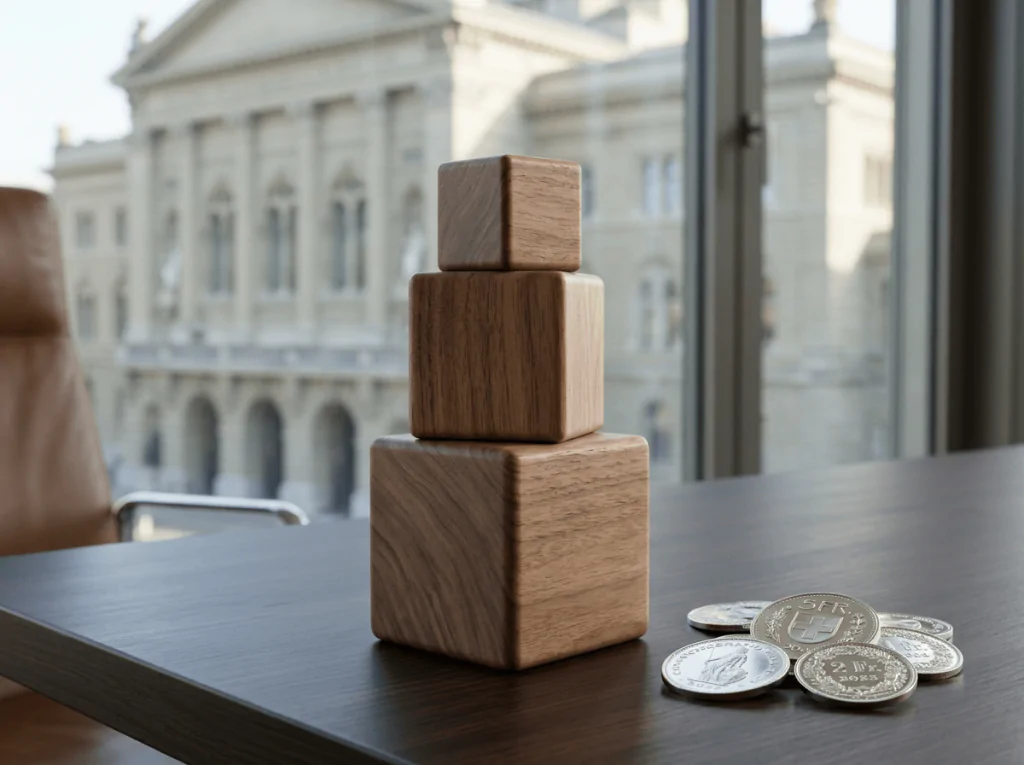
There’s no separate crypto tax law. The Swiss Federal Tax Administration (FTA) publishes working papers explaining how existing tax laws apply to digital assets, and crypto categorized as payment tokens follow the same rules as foreign currency. The structure matters: taxes in Switzerland are levied on three levels. Federal level sets income tax, individual cantons administer wealth tax and their own income tax rates, and municipalities add a multiplier on top. The practical consequence is that two Swiss taxpayers with identical portfolios can face very different tax amounts depending on the canton.
Zug, Schwyz and Nidwalden sit at the cheap end; Geneva and Basel Stadt at the expensive one. Most cantons follow the FTA’s guidance on crypto, though certain cantons publish their own specific guidelines, so checking with your cantonal tax administration is always advisable. ## Which taxes apply to crypto in Switzerland?
Wealth tax Crypto assets are taxable asset
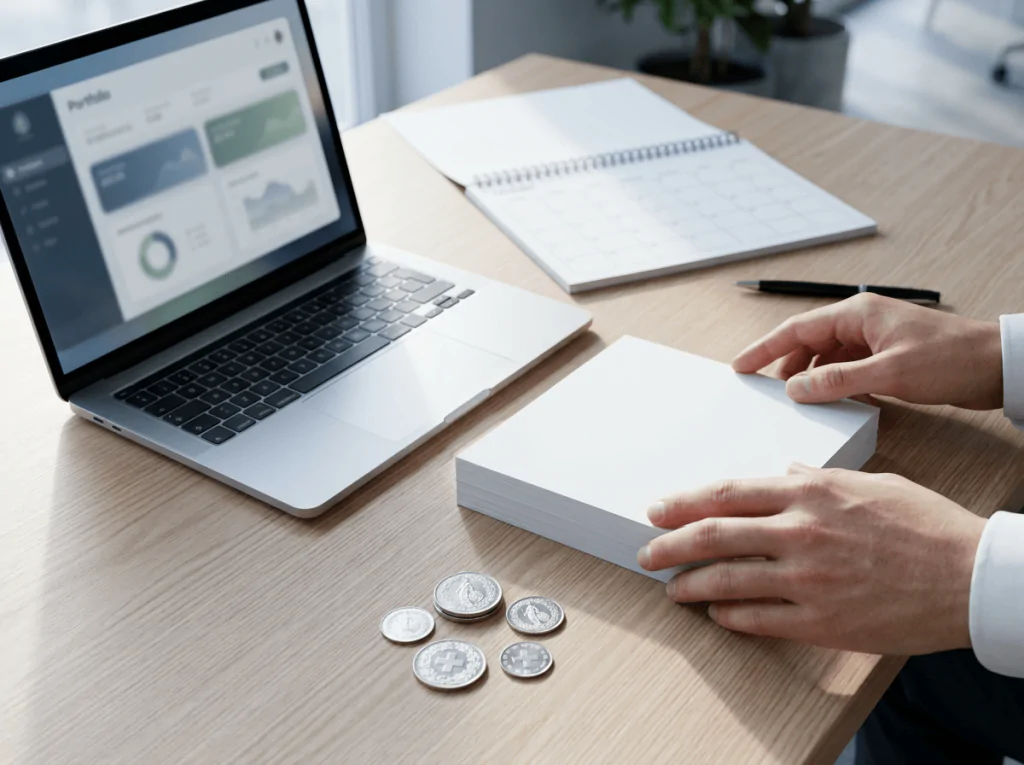
Every year you declare the value of all your cryptocurrency holdings on December 31, together with bank accounts, securities and other assets, and pay annual wealth tax on the total. Wealth tax rates vary by canton, roughly between 0.1% and 1% of net wealth, and each canton applies its own allowances and may permit social deductions when determining taxable net wealth. Wealth tax is based on net wealth after debts, so the total asset value matters rather than crypto in isolation. The individual wealth tax specific allowance typically runs from about CHF 70,000 to CHF 200,000 depending on the canton and marital status, and tax only applies once net wealth exceeds that threshold, so smaller portfolios often pay wealth tax of exactly zero.
Income tax
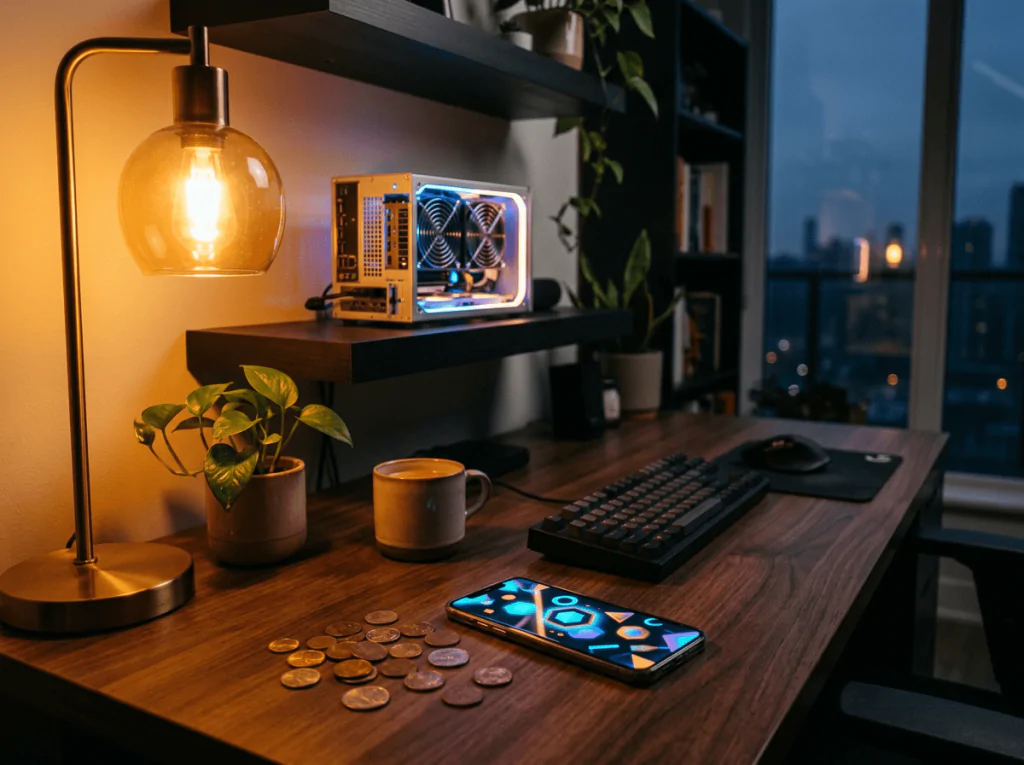
Crypto activities that generate new coins or tokens—such as mining, staking, airdrops, and lending rewards—are subject to income tax at your normal rates, as is salary paid in coins. The value is set at the market value in Swiss francs on the day of receipt, with the coins taxed when collected or received based on their Swiss-franc market value on that date, and it stacks on top of your other income.
Capital gains tax

Here’s the famous part. Private investors don’t pay capital gains tax on crypto profits, because gains on private wealth assets are exempt. Sell BTC you held in your private wallet at a 300% profit and the gain is capital gains tax free. The exemption has a mirror side, though: crypto capital losses aren’t tax deductible for private investors either. And the whole advantage disappears if the tax authority classifies you as a professional trader, which we’ll cover below. One safe-harbour rule is holding assets for at least six months, but the exemption depends on meeting specific criteria.
Switzerland crypto taxes: how much you will pay?
Crypto income tax rate Switzerland Income tax combines three layers. The progressive federal tax rate tops out at 11.5%, and that’s the only place federal income tax rates come into play; cantonal and municipal taxes are added on top. Depending on your canton, municipality and income level, the combined marginal rate on crypto income lands anywhere between roughly 20% and 45%.
Example calculation
Let’s say you live in Zurich. Your standard salary is CHF 90 000, hold CHF 40 000 in crypto assets on December 31 and received CHF 2 000 in staking rewards during the year. The staking rewards are taxable income, adding CHF 2 000 to your taxable income and costing perhaps CHF 500 at your marginal rate. The holdings enter your wealth declaration, where the allowance may absorb most of the value. And the CHF 15 000 gain you realised selling ETH in Marchare tax free. That’s the Swiss deal in one paragraph.
How is cryptocurrency taxed in Switzerland by activity?
Airdrops and hard forks: Airdropped tokens are generally treated as income at market value when received. Hard forks are considered case by case: when Bitcoin Cash split off, most guidance treated the new coins as assets to declare for wealth tax, with income treatment depending on the circumstances. Simply document the date and value and ask your cantonal tax office if the amount is material.
DeFi and liquidity pools: DeFi transactions follow the same logic, applied case by case. Reward tokens received from liquidity mining are income.
Buying and holding: Buying crypto with francs or any fiat currency is not a taxable event. Holding creates no income tax, only the year-end wealth declaration.
Selling cryptocurrencies: Selling cryptocurrencies at a profit is tax free for private investors, as is swapping one coin for another.
Mining Cryptocurrency: Mining rewards are considered taxable income at market value when the coins arrive. Mining as a hobby is additional income; a serious mining activity with lots of hardware and electricity bills can qualify as self employment.
Staking rewards: Staking rewards are considered income at the moment of receipt, valued in francs. The same treatment covers rewards from delegated staking through exchanges.
NFTs: Non fungible tokens follow the underlying activity. Buying and occasionally selling NFTs as a collector sits inside private wealth, with tax free gains and wealth tax on holdings. Creating and selling NFTs as a business, or flipping them at volume, looks like self employment income. Selling NFTs you minted yourself is income from a professional activity almost by definition.
Getting paid in crypto: Salary in coins is taxable income at fair market value on receipt, and it belongs on your salary certificates like any franc-denominated pay.
Margin trading and derivatives: Gains from crypto margin trading, futures and other CFDs stay tax free only while you remain a private investor, and derivatives used only for hedging are viewed more favourably than speculative leveraged trading when that status is assessed. So don’t use heavy leverage in that case.
Lending and earning interest: Earning interest on crypto through lending platforms produces asset income, taxable like interest on a bank account. If a Swiss counterparty pays it, the 35% withholding tax may be deducted at source and reclaimed through your return.
Gifts, donations and inheritance: Gift tax and inheritance tax are cantonal. Most cantons exempt spouses and direct descendants entirely, while gifts to unrelated people can be taxed at meaningful rates. The donations tax Switzerland applies depends entirely on where you live and who receives the coins. The rate also depends on the relationship between giver and recipient, and it can differ across other cantons.
Tax-free crypto transactions in Switzerland

The list of taxable crypto transactions is short, so it’s easier to name what costs nothing: buying crypto with fiat currencies such as CHF, EUR, or USD is tax free. Holding, selling at a profit as a private investor, swapping between cryptocurrencies, moving coins between your own wallets, the sale or use of coins for goods and services, from the gains perspective, and donating to your spouse or children in most cantons.
Crypto capital losses Switzerland: can you deduct them?
For private investors, there’s no such option. Losses on private wealth assets are the price of the gains exemption; a bad year in the market produces no tax deduction, and there’s nothing to offset because the gains were never taxable. Professional traders and businesses are the exception: their capital losses are deductible against income, which is one of the few consolations of professional status. Worthless tokens simply drop out of your wealth declaration; stolen crypto Switzerland cases are handled pragmatically, and coins you can prove were stolen or lost no longer count as reportable assets, though the tax authority may want evidence.
How to file crypto taxes in Switzerland

The annual tax return
Crypto goes into your ordinary annual tax return, the same document that covers salary, bank accounts and property; there’s no separate crypto form. Instead, your crypto holdings are entered in the “Securities List” of the annual tax return. Most cantons let you file the tax return online, and the filing process is a slightly different process from canton to canton because forms and online declaration systems vary.
Valuing your crypto assets at market value on December 31
The Federal Tax Administration publishes official year-end exchange rates for the most commonly used cryptocurrencies, and that taxation value is what you declare to calculate the year-end wealth-tax declaration. For other cryptos without an official rate, use the market value from a reputable exchange on December 31 and keep a screenshot; keeping the relevant information is essential for the tax assessment if the FTA has no published rate. The Swiss financial year for individuals matches the calendar year, so one valuation date covers everything.
What records to keep
Keep detailed records: transaction dates, purchase dates, acquisition costs, sale proceeds, amounts, wallet addresses, counterparties, and franc values. Swiss taxpayers should keep complete records of crypto transactions for 5 years, as the FTA may require them during a review or audit. Good record keeping is what turns an audit from a nightmare into an email. A crypto tax calculator or portfolio tracker helps here. Where you store your access matters just as much, and our guide to keeping your seed phrase safe covers that side. Keeping proof from exchanges and wallets also helps ensure compliance and makes it less time consuming if you ever need to prepare crypto taxes manually.
Deadlines and extensions
The filing deadline in most cantons is March 31 of the following year, and remember to submit the return or request one free filing extension before that date, often into autumn. File late without an extension and reminders arrive with fees attached, and late filing can trigger an estimated assessment by the canton; ignore those and the canton assesses you by estimate, which is never in your favour.