

27.09.2025

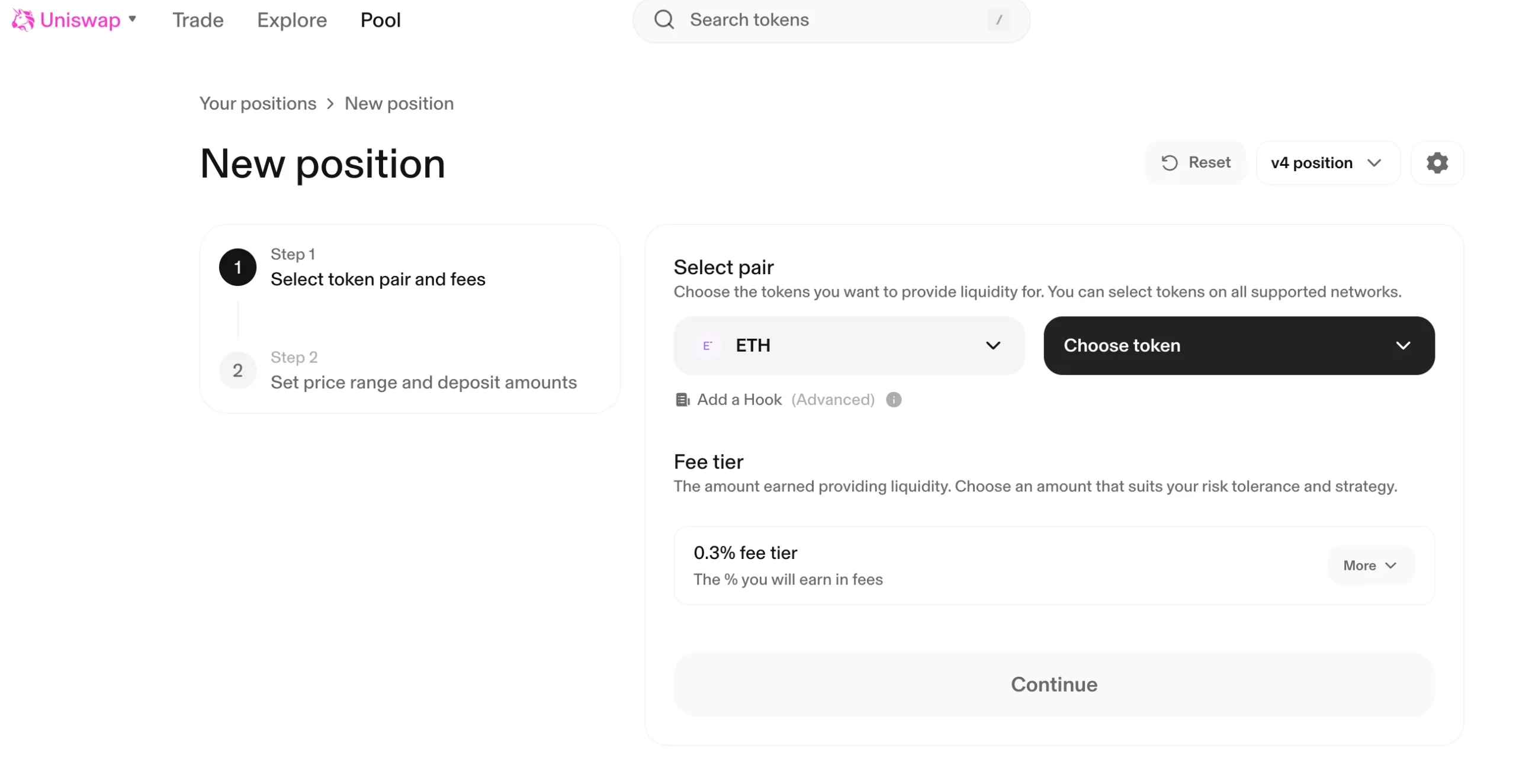
Crypto terms can sometimes be too difficult for newcomers to this sphere to understand. To help you grasp the core topics in Web3, let’s make some clear comparisons. Today, we’ll talk about AMM.
What is AMM all about? We explain using the example of the Coachella festival.
Imagine there’s a concert ticket office, but instead of tickets, we’re talking about digital coins. Now imagine that this booth runs on code rather than people, a little machine for swaps that never sleeps, never argues, and only does math.
In crypto, this vending machine is an automated market maker (AMM) – and it behaves exactly like a well-run box office under pressure: when demand surges for one side, prices nudge up; when demand fades, prices cool down.
Let’s fast-forward to a summer festival like Coachella. As you pass through the entrance, you come across two queues, one for the Kendrick Lamar concert and one for the Drake concert.
Two tall digital counters above the doors show how many tickets are left for each headliner.
Those counters are your AMM pool balances. The AMM reads them directly – no opinions, no rumors, just numbers – and updates prices on the spot so that buying from one pile makes it a little smaller (and more expensive) while the other pile grows (and gets cheaper).
The price of tickets for both shows is the same at first. However, after Lamar dissed Drake, his music took over the charts, and music fans started buying more tickets for his concert.
In AMM terms, that’s demand pressure: fans pulling Kendrick tickets out of the pool, while depositing Drake tickets in return.
AMM swaps are always two-sided, one asset out, so the other ratio shifts with every trade. This is why you’ll often see the quoted price change as you type your order size: your intended trade itself moves the ratio.
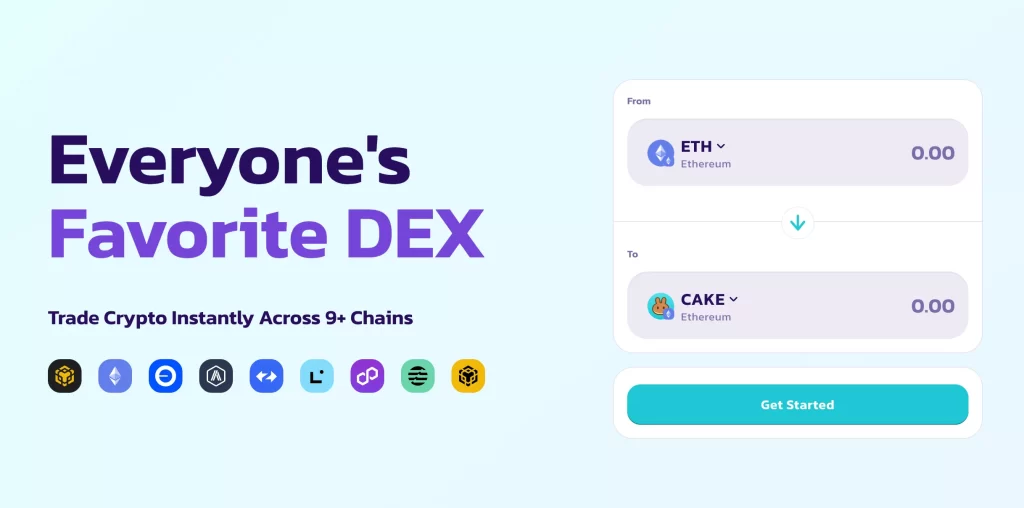
When Drake’s ticket basket is full and Lamar’s is low, the concert agency makes the first tickets cheap and the second more expensive. This dynamic is known as price impact: the effect your trade has on the price you pay.
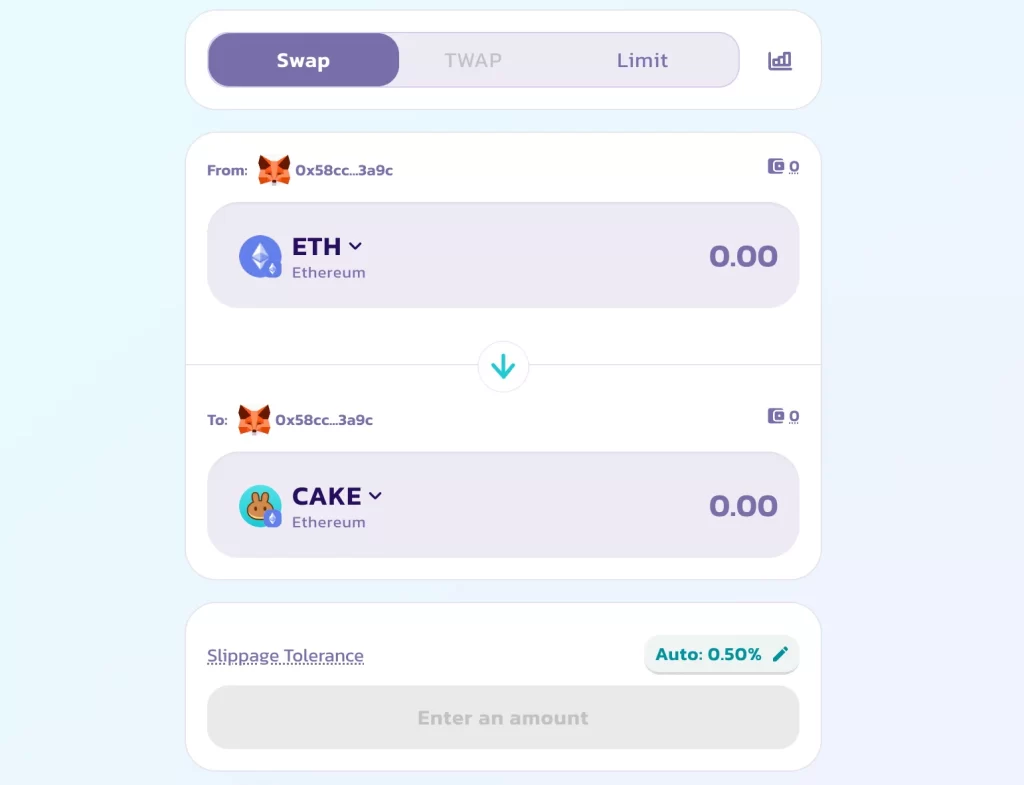
Small trades barely nudge the needle; large trades push harder because they remove a bigger slice from the pile. Traders typically protect themselves by setting a slippage tolerance.
This limit cancels the purchase if the final price creeps beyond what they’re willing to accept while the transaction is being processed.
This is the core rule of any AMM: (Lamar’s tickets/digital assets) x (Drake’s tickets/digital assets) = a constant number. If you buy tickets for your friends, the AMM adjusts so that the multiplication stays the same.
The pool doesn’t “know” headlines, sentiment, or tour gossip; it only knows that the product of the two balances must remain fixed during each trade.
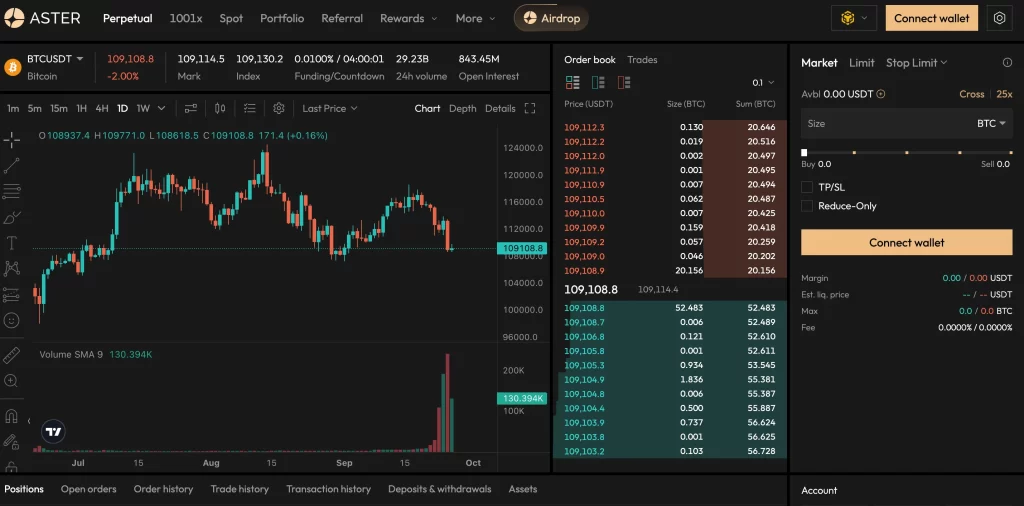
In summary, AMM determines the price of an asset based on the ratio of assets in the liquidity pool. In other words: price = opposite balance ÷ current balance (priced in the other asset). If Kendrick’s side drops and Drake’s side rises, the price of Kendrick in Drake’s terms climbs.
Over time, arbitrage traders compare these pool prices with the broader market and step in whenever there’s a gap, buying where it’s cheaper and selling where it’s richer.
Their profit-seeking behavior is what quietly aligns the AMM with “fair” market levels throughout the day.
Liquidity pool: core principles
The cornerstone of any AMM is a liquidity pool (LP). In our example, it is a ticket office where tickets are sold in equal ratios. In practice, that means someone had to stock the booth before the gates opened.
Those someones are liquidity providers (LPs). They deposit equal value of both assets $5,000 in Kendrick tickets and $5,000 in Drake tickets, so that fans can swap freely via AMM.
In exchange, LPs collect a cut of every trade as a fee, pro-rated to their share of the pool. The busier the booth (higher volume), the more fees accumulate.
For example, one ticket office might have 1,000 Kendrick Lamar tickets and 1,000 Drake tickets. The ‘constant’ is 1000 × 1000 = 100,000. If 10 Kendrick tickets are added, the price of a Drake ticket would be 100,000/110 = 909.090909.
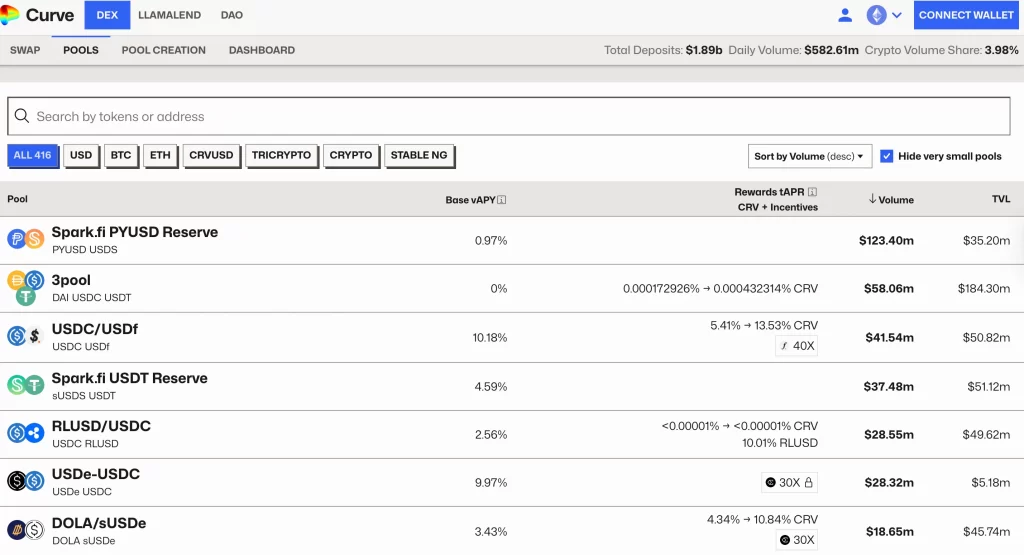
The price movement in AMM during such changes is called slippage. Even in this simplified arithmetic, the intuition holds: as trades reshuffle balances, prices slide along a curve. Traders feel that the slide is the difference between the initially quoted price and the final executed price caused by their own trade altering the pool.
The larger the token supply in the AMM pool, the less individual transactions will affect the price, and the lower the slippage will be.
This is why people talk about depth or TVL (Total Value Locked) a deep pool is like a stadium with tens of thousands of seats: selling or buying a hundred barely changes availability. In a shallow pool (a tiny club), the same hundred seats would swing scarcity dramatically, and thus the price.
Each AMM liquidity pool has liquidity providers (LPs) that provide the ticket office with an equal value of tickets. When someone buys tickets, the system charges them and gives the fee to the LP. Fees are the LP’s compensation for taking on inventory risk-the risk that the mix of assets they hold will change unfavorably as prices move.
In AMM lore, that risk has a name: impermanent loss. If Kendrick moons relative to Drake while you’re providing liquidity, you’ll end up with relatively fewer Kendrick tickets and more Drake tickets than if you had just held both assets in your wallet. Fees can offset this, but understanding the trade-off is crucial before you “open your booth.”
Conclusion
Thus, AMM is a great equaliser, defining asset price as the most logical and fair. It levels access for small and large traders alike, enabling instant swaps without waiting for a matching counterparty.
This permissionless design is why AMMs became DeFi’s backbone: anyone can trade, anyone can supply, and the rules are public for all to see.